
Mold doesn’t spread evenly through a house. It concentrates in a small number of predictable locations where moisture, warmth, and organic material overlap. Knowing these five zones in advance makes any inspection faster and far more accurate than guessing room by room.
Not sure what you’re even looking for yet? Start with Signs of Mold You Might Be Missing.
Bathrooms: Humidity That Never Fully Clears
Bathrooms combine high humidity, warm temperatures, and organic material like soap film and skin cells, which is close to an ideal environment for mold growth. Check behind and under toilets, around tub and shower caulking, inside cabinets under sinks, and along the ceiling above showers where steam collects.
Kitchens: Steam, Sinks, and Hidden Leaks
Kitchens generate moisture from cooking and dishwashing, and they hide leaks well. Under-sink cabinets, the area behind and under the refrigerator, and the seals around dishwashers are common trouble spots. A slow supply-line leak can go unnoticed for months because it’s tucked behind an appliance.
HVAC Systems: The House’s Circulatory System
Because HVAC systems move air through the entire house, any moisture or mold inside the air handler can spread spores far beyond where the problem started. Condensation around the unit, a musty smell when the system kicks on, and visible growth on vents or filters are all worth checking every season.
Windows and Exterior Walls: Where Outside Meets Inside
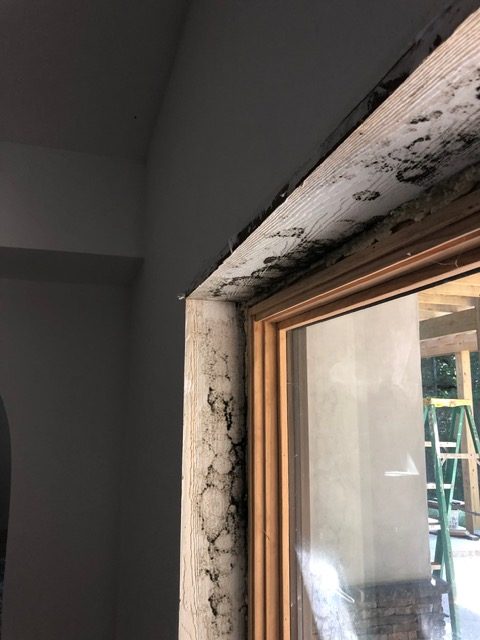
Window frames and the exterior walls around them are where temperature differences are greatest, which makes condensation common. Look for warped frames, bubbling paint on nearby walls, or discoloration on the drywall just below or beside a window.
Attics and Crawlspaces: Out of Sight, Out of Mind
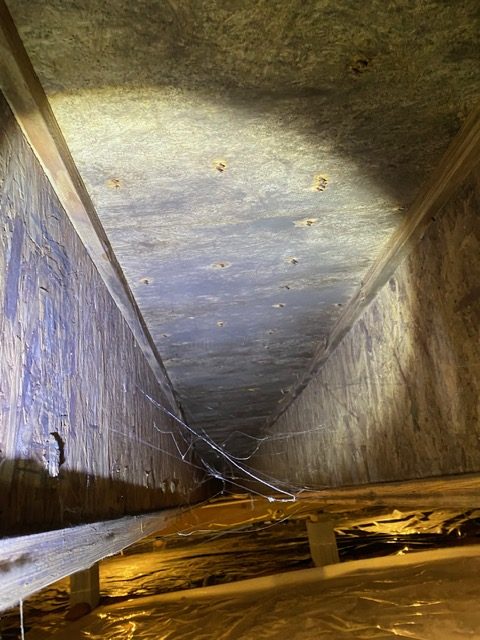
These areas are checked the least often and can develop serious problems before anyone notices, since they’re rarely part of daily life in the house. Roof leaks, poor ventilation, and exposed soil in a crawlspace all create long-term moisture sources that are easy to miss without a deliberate look.
Checking All Five Zones in One Pass
Instead of inspecting room by room without a plan, it’s more efficient to walk through these five zones in a single pass. The Homeowner’s Mold Risk Checklist is built around exactly this structure, scoring each zone and telling you whether to monitor, investigate further, or call a professional, in about 30 minutes. Or score your home yourself first with the free Weighted Mold Risk Scorecard. Want a free, printable version of these 5 zones? Try our Mold Risk Checklist.