
Most homeowners are trained to look for one thing: black spots on a wall. But by the time mold is visibly staining a surface, it’s often been developing for weeks or months. The earlier signs are quieter — and easier to miss if you don’t know what you’re looking for.
Your Nose Notices Before Your Eyes Do
A musty, earthy, or “basement-like” smell is one of the earliest reliable indicators of mold activity, even when nothing is visible yet. Mold produces microbial volatile organic compounds (MVOCs) as it grows, and that’s what you’re actually smelling. If a smell is localized to one room and gets stronger when you open a closet, cabinet, or crawlspace access panel, that’s a clue about where to look next. For a full breakdown of what that smell means and how to trace it, see What That Musty Smell in Your House Is Actually Telling You.
Small Changes in Surfaces and Materials
Moisture inside walls and materials usually shows up as small surface changes long before mold becomes visibly obvious. They’re easy to write off as normal wear, especially in older homes, but they’re worth a second look if they’re new or getting worse.
Paint and wall finishes
Bubbling, blistering, or peeling paint, especially on an exterior wall or just below a window, usually means moisture is reaching the back of the paint from inside the wall.
Drywall and trim
Drywall that feels soft or spongy when pressed lightly, or baseboards and door casings that have started to swell or separate at the joints, point to moisture that has been there for a while.
Wood and furniture surfaces
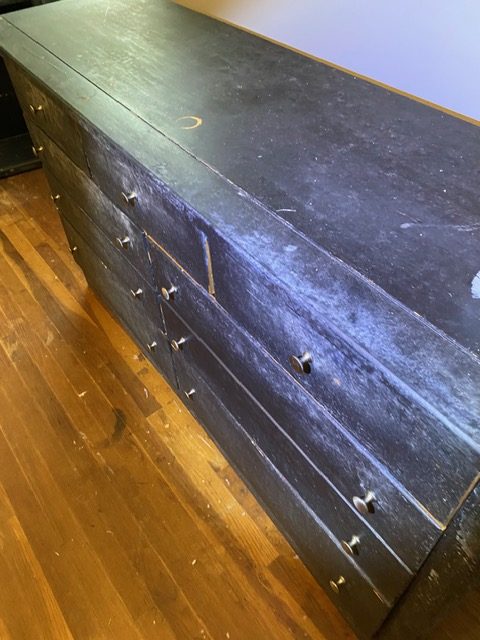
A fine, powdery white or gray bloom on wood furniture, shelving, or framing is often early surface growth, and it tends to show up in rooms where humidity stays high.
Water Clues That Come Before Mold
Mold needs moisture, so the earliest warning is often the water itself. Look for faint rings or tide marks on a ceiling, a sagging spot in drywall, condensation that sits on windows for hours, rust on metal fasteners or outlet covers, and flooring that has cupped or lifted near a sink, tub, or exterior door. Any one of these means water is getting somewhere it shouldn’t. Mold can start on wet materials within 24 to 48 hours, so the sooner the source is found, the less there is to fix. See How Long After a Leak Does Mold Start? for what to do first.
Humidity You Can Measure
Indoor humidity that stays high gives mold what it needs, even without a leak. The EPA recommends keeping indoor humidity below 60 percent, and ideally between 30 and 50 percent. An inexpensive hygrometer tells you more than guessing, and if one room reads consistently higher than the rest of the house, that room is the place to look first. See Tools We Recommend for the hygrometer and moisture meter worth owning.
Where These Signs Tend to Show Up First
In most homes, early moisture problems concentrate in five zones: bathrooms, kitchens, HVAC and airflow, windows and exterior walls, and attics, crawlspaces, and basements. Each has its own typical failure points, which is why a zone-by-zone approach works better than a single whole-house impression.
Turning Observations Into a Clear Answer
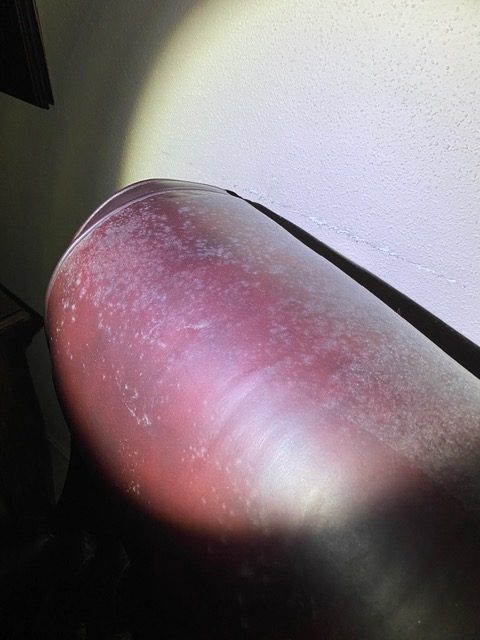
Noticing one of these signs doesn’t necessarily mean you have a serious problem, and it doesn’t mean you need to call a professional right away. It does mean a structured walkthrough will tell you more than a guess. Not sure a spot you found is actually mold? See How to Know If a Stain in Your House Is Mold, or learn how to use a moisture meter to confirm what you’re seeing.
Common questions
What does mold smell like before it’s visible?
Mold gives off a musty, earthy smell caused by microbial volatile organic compounds (MVOCs), and this odor often shows up before any staining is visible. If the smell is stronger near a closet, cabinet, or crawlspace, that’s a clue to where the source may be.
What are early physical signs of mold in a home?
Bubbling or peeling paint, warped trim, soft or spongy drywall, and a fine powdery bloom on wood surfaces can all signal moisture intrusion before mold becomes visibly obvious, especially in older homes where these changes are easy to mistake for normal wear.
Should I wipe or scrape a spot to see if it’s mold?
No. Scraping, wiping, or sanding a suspected spot can release spores into the air. Find and fix the moisture source first, then decide whether it’s a small surface issue or a job for a professional.
Where does mold usually show up first?
Early moisture problems usually concentrate in five zones: bathrooms, kitchens, HVAC and airflow, windows and exterior walls, and attics, crawlspaces, and basements. Each has its own typical failure points.
Related questions
- What That Musty Smell in Your House Is Actually Telling You
- Surface Mold vs. Water Intrusion: How to Tell the Difference
- The 5 Places Mold Hides in Every Home
Want a clear answer for your whole house? The Homeowner’s Mold Risk Checklist walks you through all five zones of the 5-Zone Home Inspection System™ (bathrooms, kitchen, HVAC and airflow, windows and exterior walls, and attics, crawlspaces, and basements), scores what you find with the Weighted Mold Risk Scorecard™, and tells you whether to monitor, investigate further, or call a professional.
About the author: Written by Roy Ponder, founder of HomeScopePro. He has built and operated a restoration and mold remediation company and has more than 10 years of hands-on experience with water damage and mold. HomeScopePro doesn’t sell mold remediation. Its guides exist to help homeowners understand what they’re seeing before they spend money.