
A musty smell is one of the most common things homeowners notice and one of the least often acted on. It gets blamed on an old house, a damp basement, or “just how this room smells.” In most cases, though, that smell is data, and it’s worth listening to before it becomes a bigger problem.
Where the Smell Actually Comes From
That musty, earthy odor is produced by microbial volatile organic compounds, or MVOCs, which mold and mildew release as they grow and break down organic material. Unlike visible staining, which can take weeks or months to appear, the smell is often present from very early in the growth cycle. If you can smell it, something is actively growing somewhere nearby, even if you can’t see it yet.
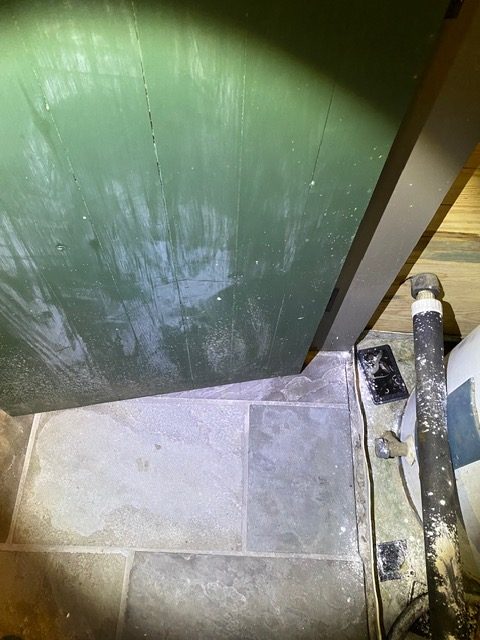
Is a Musty Smell Always Mold?
Not necessarily. Stagnant air, an old HVAC filter, or a room that’s been closed up for a while can all produce a similar smell without an active mold problem. The distinguishing factor is persistence: a smell that clears after airing out a room for a day is more likely tied to stale air, while one that keeps coming back, especially after rain or humid weather, points toward ongoing moisture.
Where to Follow Your Nose
Musty smells tend to concentrate near their source, which makes them useful for narrowing down where to look. Pay attention to whether the smell gets stronger near a bathroom, under a kitchen sink, inside a closet on an exterior wall, near HVAC vents, or when you open access to a crawlspace or attic. These are the same areas where moisture problems most often start.
When a Smell Alone Is Reason Enough to Look Further
You don’t need visible staining to justify a closer look. A recurring musty smell, on its own, is a reasonable trigger to check the areas above for the physical signs that usually accompany it, like discoloration, soft drywall, or peeling paint. If the smell is strong but you can’t pinpoint a source, moisture mapping will help you trace it to a specific spot.
Measure your humidity
A basic digital hygrometer costs a few dollars and may explain the whole problem. The EPA recommends keeping indoor humidity below 60 percent, ideally between 30 and 50 percent. In humid climates, a home that sits above 60 percent for weeks can smell musty even without a leak, because closets, fabrics, and furniture slowly absorb moisture.
If your humidity is high, see Mold on AC Vents: Why It Happens, which covers the thermostat and AC settings that most often cause it.
What not to do
- Don’t cover the smell with candles, plug-ins, or sprays. The smell is your early warning.
- Don’t buy a DIY mold test kit yet. It won’t tell you where the moisture is (see the questions below).
- Don’t open up walls yourself where you suspect growth.
Turning a Smell Into a Clear Answer
A smell tells you something is happening, but not how serious it is or what to do next. If you’ve traced the smell to a visible stain, see How to Know If a Stain in Your House Is Mold for the visual, moisture, and odor tests that confirm it.
Common questions
Will an air purifier fix a musty smell?
It can reduce the smell in the air, but it won’t fix the damp material causing it. If the source stays wet, the smell comes back.
Should I buy a DIY mold test kit?
Usually not. Mold spores are present in nearly every home, so a do-it-yourself plate will almost always grow something. It won’t show you where the moisture is or how serious the problem is.
What does mold smell like?
Most people describe it as earthy, stale, and damp, like wet socks, old books, or a basement.
Related questions
- Mold on AC Vents: Why It Happens and What to Check
- How to Know If a Stain in Your House Is Mold
- Should You Test for Mold After a Leak?
Want a clear answer for your whole house? The Homeowner’s Mold Risk Checklist walks you through all five zones of the 5-Zone Home Inspection System™ (bathrooms, kitchen, HVAC and airflow, windows and exterior walls, and attics, crawlspaces, and basements), scores what you find with the Weighted Mold Risk Scorecard™, and tells you whether to monitor, investigate further, or call a professional.
About the author: Written by Roy Ponder, founder of HomeScopePro. He has built and operated a restoration and mold remediation company and has more than 10 years of hands-on experience with water damage and mold. HomeScopePro doesn’t sell mold remediation. Its guides exist to help homeowners understand what they’re seeing before they spend money.