
When you spot a dark patch on a wall, ceiling, or window frame, the real question isn’t just whether it’s mold — it’s whether you’re looking at a self-contained surface issue or a sign of ongoing water intrusion inside the structure. Treating a structural leak like a cosmetic problem just gives it more time to spread, so knowing which one you’re dealing with changes what you should actually do next.
What “Surface Mold” Usually Means
Surface mold typically grows on top of a material — grout lines, caulk, window sills, closet walls — and is often fed by ambient humidity or condensation rather than a hidden water source. It tends to be thin, follows the surface contour, and generally lifts away with cleaning and improved ventilation without leaving the material beneath it damaged.
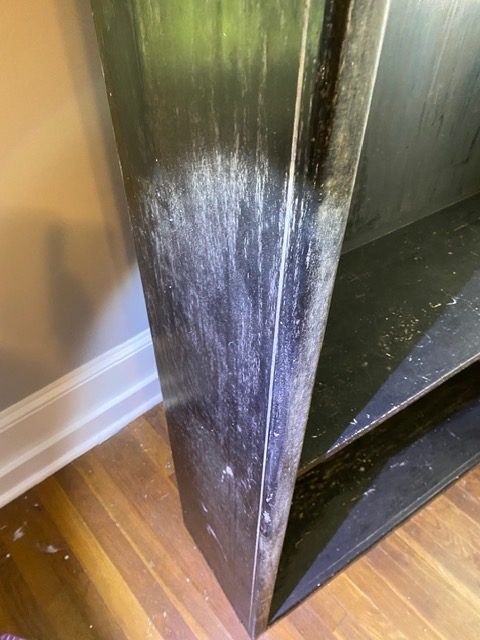
What “Water Intrusion” Usually Means
Water intrusion refers to moisture actively entering the structure — from a roof leak, plumbing failure, poor grading, or a failed seal — on an ongoing or repeated basis. Even when the visible mold looks minor, intrusion often leaves damage beneath the surface: warped substrate, soft drywall, or staining that reappears within days of being cleaned.
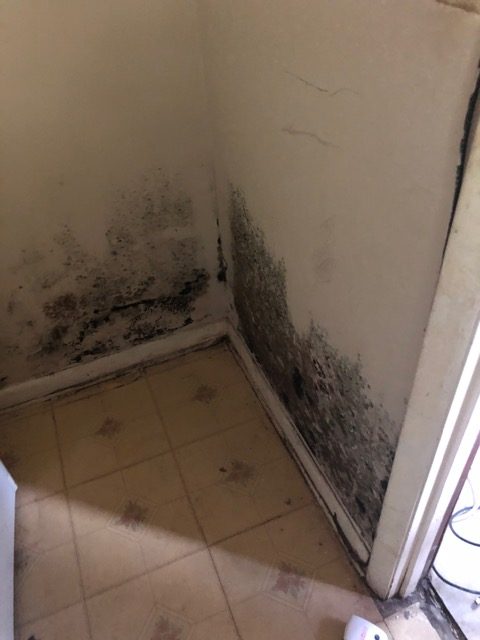
Visual Clues That Point to One or the Other
Texture is one clue: a fuzzy or powdery growth sitting on top of an otherwise firm surface leans toward surface mold, while soft, swollen, or crumbling material underneath discoloration leans toward intrusion. Pattern is another: staining that returns quickly after cleaning suggests an ongoing source, while staining that stays gone suggests a surface issue that’s been resolved. Shape matters too — a ring or “tide line” look often points to standing or repeatedly pooling water rather than simple surface condensation.
Why the Distinction Changes What You Do Next
Surface mold is usually resolved by cleaning it and fixing the humidity or ventilation problem feeding it. Water intrusion requires finding and repairing the actual source — a roof, pipe, seal, or grading issue — because cleaning the visible mold without addressing the source just means it comes back, often worse, in a few weeks.
When It’s Actually Both
These two aren’t always separate categories. A small, slow intrusion can raise humidity in a localized area enough to grow surface mold nearby, so you can have a real leak and a surface mold problem at the same time. This is where a moisture meter reading, compared against a dry baseline elsewhere in the room, becomes the tie-breaker between cleaning it and moving on, or tracking down the source.
Getting a Clear Answer
If cleaning a spot doesn’t make it stay gone, or you can’t tell whether what you’re looking at is cosmetic or structural, it’s worth a more structured look rather than a guess. The Homeowner’s Mold Risk Checklist walks through each zone of the home, and our guide on using a moisture meter for mold covers how to tell a normal reading from one worth acting on. When there’s visible damage, a recurring pattern, or health symptoms involved, bringing in a professional inspector is the fastest way to get a real answer. For a quick self-check first, see How to Know If a Stain in Your House Is Mold, which walks through the same visual, moisture, and odor tests.
Common Questions About Surface Mold and Water Intrusion
Can surface mold turn into a bigger problem if I just clean it?
It can, if the humidity or condensation source feeding it isn’t addressed. Cleaning removes the visible growth, but if the underlying moisture condition stays the same, it typically returns.
How do I know if mold is coming back because of a leak?
If the same spot redevelops within days to a couple of weeks after cleaning, especially in the same exact location, that pattern points to an ongoing moisture source rather than a one-time humidity issue.
Is discoloration on drywall always water intrusion?
No. Drywall can discolor from ambient humidity, past cleaning products, or even sunlight in some cases. Pairing a visual check with a moisture meter reading against a dry baseline is a more reliable way to tell than appearance alone.
Should I call a professional to tell the difference?
If you’ve cleaned a spot and it keeps coming back, if there’s a musty smell without a visible source, or if you’re evaluating a home before a purchase, a professional inspection is worth it. For a one-off spot with an obvious humidity cause, checking and monitoring it yourself is usually enough to start.