
Most homeowners are trained to look for one thing: black spots on a wall. But by the time mold is visibly staining a surface, it’s often been developing for weeks or months. The earlier signs are quieter — and easier to miss if you don’t know what you’re looking for.
Your Nose Notices Before Your Eyes Do
A musty, earthy, or “basement-like” smell is one of the earliest reliable indicators of mold activity, even when nothing is visible yet. Mold produces microbial volatile organic compounds (MVOCs) as it grows, and that’s what you’re actually smelling. If a smell is localized to one room and gets stronger when you open a closet, cabinet, or crawlspace access panel, that’s a clue about where to look next. For a full breakdown of what that smell means and how to trace it, see What That Musty Smell in Your House Is Actually Telling You.
Small Changes in Surfaces and Materials
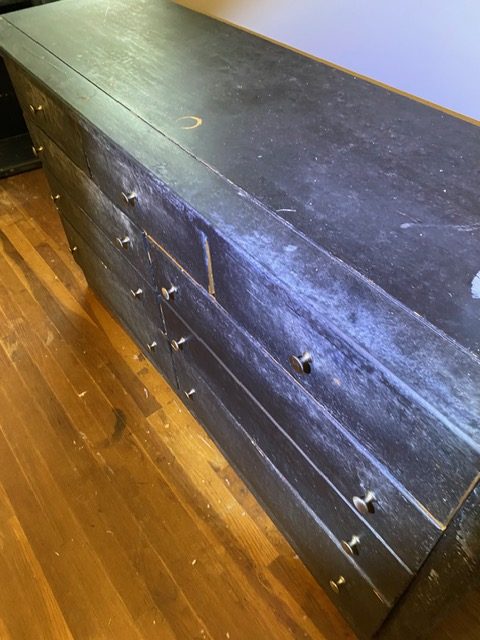
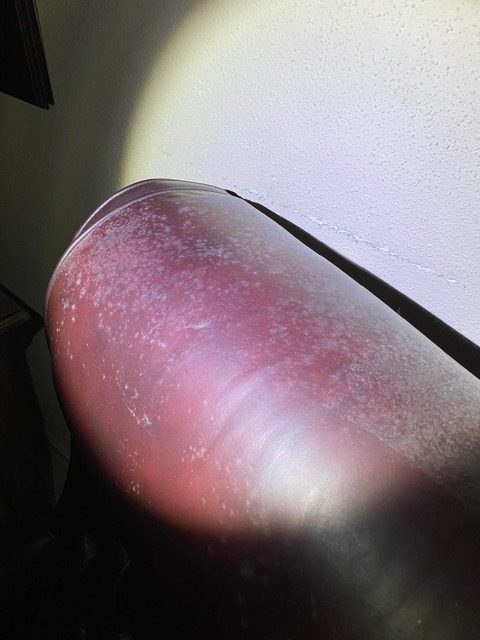
Bubbling or peeling paint, slightly warped trim, soft or spongy drywall, and a fine powdery bloom on wood surfaces can all signal moisture intrusion long before mold becomes visibly obvious. These changes are easy to write off as normal wear, especially in older homes, but they’re worth a second look if they’re new or getting worse.
How You Feel at Home vs. Away
Occasional stuffiness, mild headaches, or a scratchy throat that consistently improve within a day or two of leaving the house — and return shortly after coming back — can be worth documenting. This isn’t a diagnosis, and it doesn’t confirm mold on its own, but a repeating pattern tied to one specific room is a useful data point when deciding whether to investigate further.
Where These Signs Tend to Show Up First
In most homes, early moisture problems concentrate in five areas: bathrooms, kitchens, HVAC systems, window frames and exterior walls, and attics or crawlspaces. Each has its own typical failure points, which is why a room-by-room approach works better than a single whole-house impression.
Turning Observations Into a Clear Answer
Noticing one of these signs doesn’t necessarily mean you have a serious problem, and it doesn’t mean you need to panic or call a professional immediately. What it does mean is that it’s worth a structured walkthrough instead of a guess. The Homeowner’s Mold Risk Checklist walks you through all five zones, scores what you find, and tells you whether to monitor, investigate further, or call a professional — in about 30 minutes. Not ready to buy? Run your home through the free Weighted Mold Risk Scorecard first — same 5-zone structure, no cost. Not sure a spot you found is actually mold? See How to Know If a Stain in Your House Is Mold, or grab our free, printable Mold Risk Checklist to walk each zone yourself.