
A musty smell is one of the most common things homeowners notice and one of the least often acted on. It gets blamed on an old house, a damp basement, or “just how this room smells.” In most cases, though, that smell is data, and it’s worth listening to before it becomes a bigger problem.
Where the Smell Actually Comes From
That musty, earthy odor is produced by microbial volatile organic compounds, or MVOCs, which mold and mildew release as they grow and break down organic material. Unlike visible staining, which can take weeks or months to appear, the smell is often present from very early in the growth cycle. If you can smell it, something is actively growing somewhere nearby, even if you can’t see it yet.
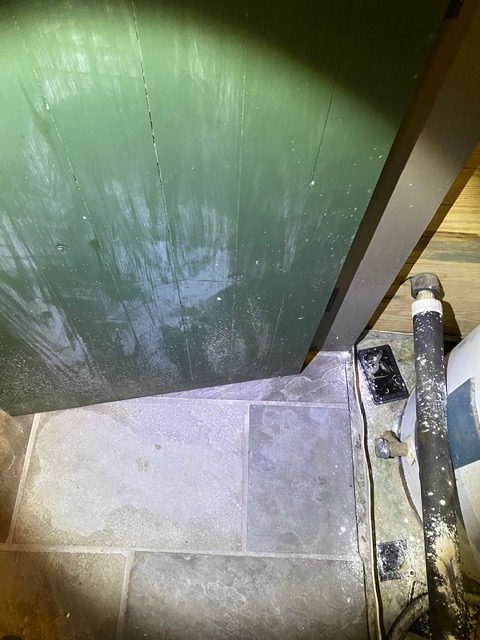
Is a Musty Smell Always Mold?
Not necessarily. Stagnant air, an old HVAC filter, or a room that’s been closed up for a while can all produce a similar smell without an active mold problem. The distinguishing factor is persistence: a smell that clears after airing out a room for a day is more likely tied to stale air, while one that keeps coming back, especially after rain or humid weather, points toward ongoing moisture.
Where to Follow Your Nose
Musty smells tend to concentrate near their source, which makes them useful for narrowing down where to look. Pay attention to whether the smell gets stronger near a bathroom, under a kitchen sink, inside a closet on an exterior wall, near HVAC vents, or when you open access to a crawlspace or attic. These are the same areas where moisture problems most often start.
When a Smell Alone Is Reason Enough to Look Further
You don’t need visible staining or health symptoms to justify a closer look. A recurring musty smell, on its own, is a reasonable trigger to check the areas above for the physical signs that usually accompany it, like discoloration, soft drywall, or peeling paint. If the smell is strong but you can’t pinpoint a source, moisture mapping will help you trace it to a specific spot.
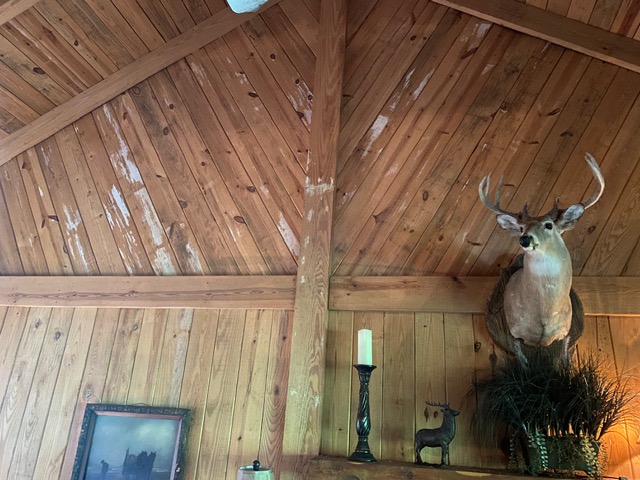
Turning a Smell Into a Clear Answer
A smell tells you something is happening, but not how serious it is or what to do next. The Homeowner’s Mold Risk Checklist walks you through all five zones, scores what you find, and tells you whether to monitor, investigate further, or call a professional, in about 30 minutes. Or start with the free Weighted Mold Risk Scorecard to see where you stand before buying anything. If you’ve traced the smell to a visible stain, see How to Know If a Stain in Your House Is Mold for the visual, moisture, and odor tests that confirm it.